
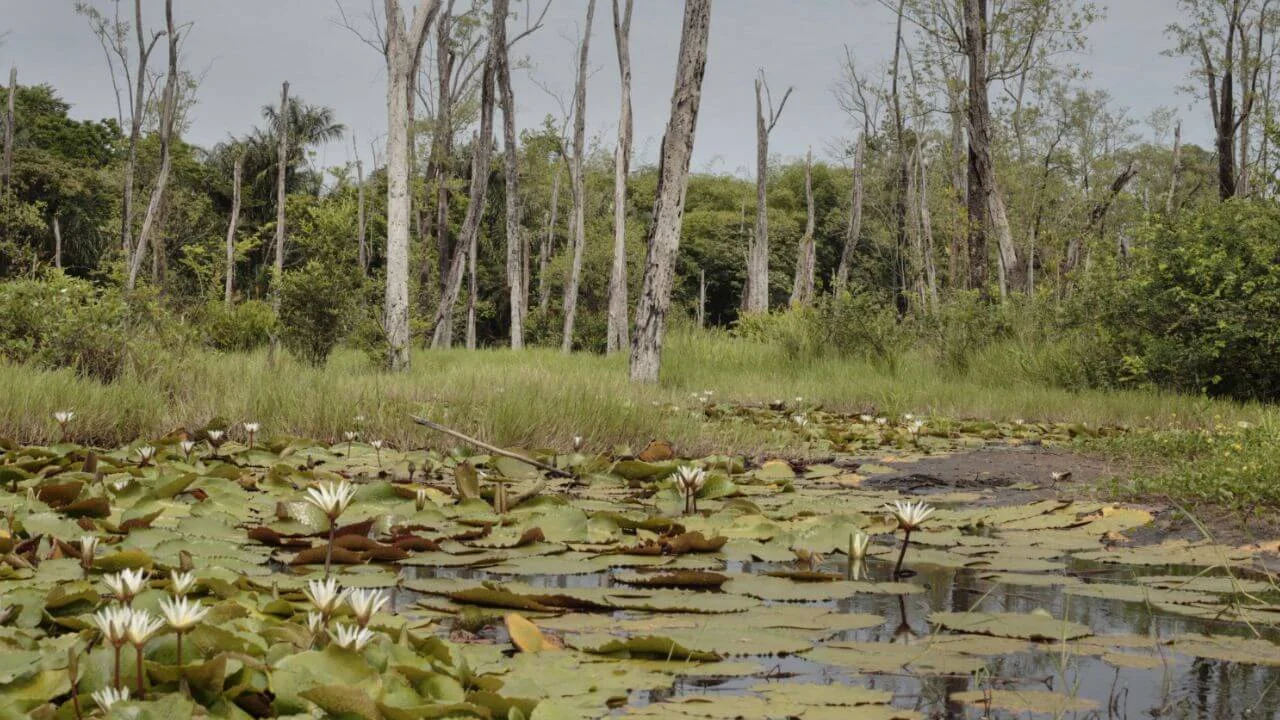
Why Wetlands Are Critical for Biodiversity
Wetlands are often called the “kidneys of the Earth” because of the essential role they play in maintaining natural balance. These ecosystems are found in areas where water covers the soil or is present at or near the surface for most of the year. Marshes, swamps, bogs, and mangroves are all types of wetlands, and each supports an incredible range of plants and animals. Wetlands are among the most productive ecosystems in the world, and their importance for biodiversity cannot be overstated.
What Makes Wetlands Unique
Wetlands are zones where land and water meet, creating a transition environment that is neither fully terrestrial nor fully aquatic. This special condition allows wetlands to support species adapted to both land and water. The soil in wetlands is rich in nutrients, and constant moisture makes them ideal for vegetation growth. This diversity in plant life attracts a wide variety of insects, birds, mammals, reptiles, amphibians, and fish.
A Safe Haven for Wildlife
One of the most important roles of wetlands is providing habitat. Many endangered and threatened species rely on wetlands for survival. Migratory birds stop at wetlands to rest and feed, while fish use them as breeding grounds. Amphibians such as frogs and salamanders depend on wetlands to lay eggs, and countless insects, including dragonflies and mosquitoes, rely on wetlands for their life cycles. Without wetlands, these species would lose critical areas to live, breed, and find food.
Wetlands as Breeding and Nursery Grounds
Wetlands act like natural nurseries for many aquatic species. Fish, crabs, and shrimp often start their life in shallow wetland waters, where vegetation offers both food and protection from predators. As these young species grow, they move into larger rivers, lakes, or oceans, but their survival depends on the shelter wetlands provide during their earliest stages.
Supporting Plant Diversity
Wetlands are home to plants that cannot survive in dry conditions, such as reeds, cattails, water lilies, and mangroves. These plants stabilize soil, reduce erosion, and provide shelter and food for animals. Some wetland plants filter pollutants, improving water quality. This vegetation creates a balanced ecosystem where all forms of life—from microorganisms to large animals—interact.
Importance for Biodiversity Hotspots
In tropical regions, wetlands like mangrove forests and peat swamps are biodiversity hotspots. They host unique species found nowhere else. For example, mangroves provide nesting sites for coastal birds and shelter for marine creatures. In temperate regions, wetlands support migratory species that travel thousands of miles annually, showing their global importance.
Climate and Biodiversity Connection
Wetlands not only protect biodiversity but also help regulate climate. They store carbon in plants and soils, which slows down global warming. At the same time, healthy wetlands reduce the impact of floods and droughts, creating stable environments for species to thrive. When wetlands are destroyed, both biodiversity and climate stability suffer.
The Threat of Wetland Loss
Despite their importance, wetlands are among the most threatened ecosystems. Draining for agriculture, urban expansion, and pollution has caused massive wetland loss worldwide. According to estimates, more than 50% of wetlands have disappeared since 1900. This decline directly impacts biodiversity, leading to species loss and ecosystem imbalance.
Why Protecting Wetlands Matters
Protecting wetlands is not only about saving plants and animals—it is also about protecting ourselves. Wetlands provide us with clean water, reduce flooding, and support fisheries. By conserving wetlands, we ensure that biodiversity continues to flourish and that human communities benefit from the services these ecosystems provide.
Conclusion
Wetlands are critical for biodiversity because they act as habitats, breeding grounds, and feeding areas for countless species. They support unique plants, protect wildlife, and regulate natural systems that sustain life on Earth. Losing wetlands means losing one of the planet’s richest sources of biodiversity.