
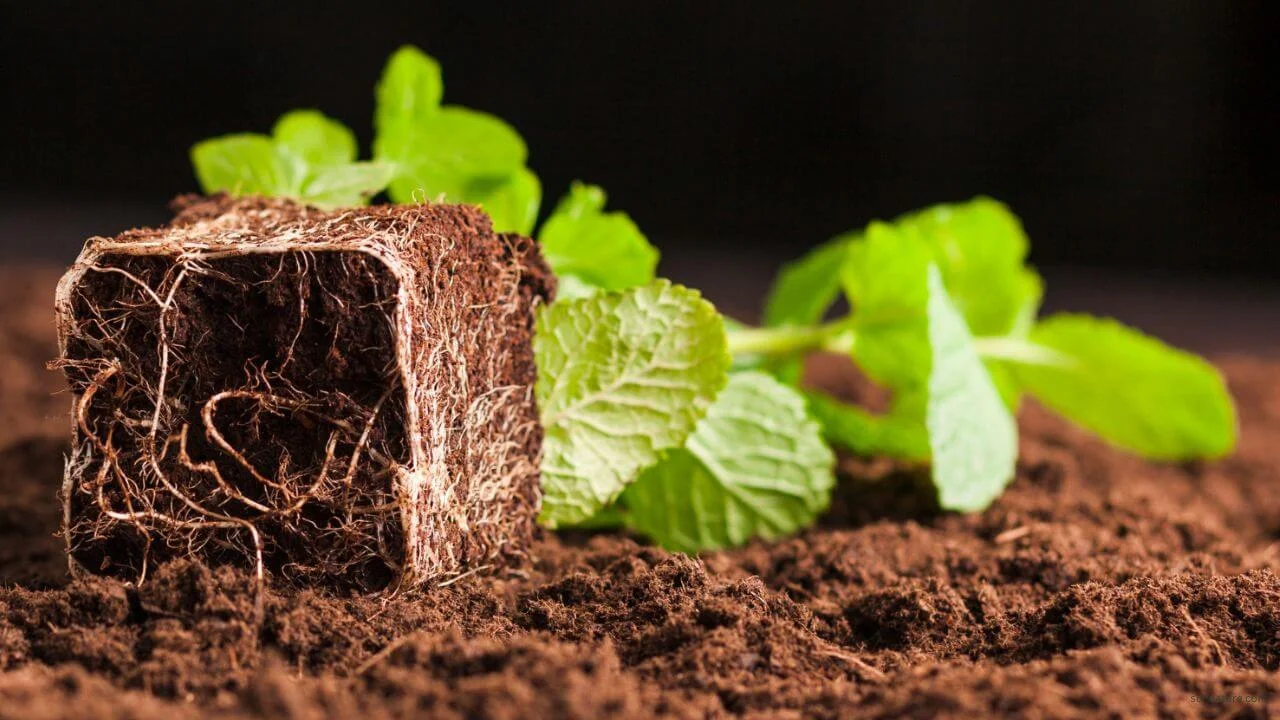
How Plants Absorb Nutrients from Soil
Plants are living organisms that depend on soil for growth, survival, and reproduction. While sunlight and water are vital, plants cannot thrive without nutrients from the soil. These nutrients act like food, providing the essential elements plants need to build tissues, carry out photosynthesis, and produce flowers and fruits. But how do plants actually absorb nutrients from soil?
This article explains the process in simple terms, covering how roots, water, and microorganisms work together to help plants grow healthy and strong.
Why Nutrients in Soil Are Important
Soil is more than just dirt; it is a complex mix of minerals, organic matter, water, and air. Within this mixture are nutrients that plants require in different amounts. These nutrients are divided into two main groups:
- Macronutrients: Nitrogen, phosphorus, potassium, calcium, magnesium, and sulfur. Plants need these in larger quantities.
- Micronutrients: Iron, zinc, copper, manganese, molybdenum, chlorine, and boron. Plants need these in smaller amounts but they are still essential.
Each nutrient plays a special role. For example, nitrogen helps plants grow leaves, phosphorus supports root and flower development, and potassium strengthens stems and improves disease resistance.
The Role of Plant Roots
Roots are the main gateway for nutrient absorption. They grow deep and wide into the soil to maximize contact with nutrients and water. Root hairs—tiny extensions of root cells—increase the surface area and make nutrient uptake more efficient.
Nutrients in the soil are dissolved in water. Roots absorb this nutrient-rich water and transport it upward through specialized tissue called the xylem. This movement is often described as a “nutrient highway” that delivers essential elements to every part of the plant.
How Nutrients Move into Roots
Nutrient absorption is not random. Plants use three main methods to take in nutrients:
- Mass Flow: As water is absorbed by roots, it carries dissolved nutrients along with it. For example, nitrogen often enters plants this way.
- Diffusion: Nutrients move from areas of high concentration in the soil to lower concentration near the root surface. Phosphorus is absorbed mainly through diffusion.
- Root Interception: Roots grow into new areas of soil, coming into direct contact with nutrients that were previously out of reach.
Together, these methods ensure plants receive a steady supply of both macronutrients and micronutrients.
The Role of Soil Microorganisms
Soil is alive with microorganisms like bacteria and fungi that help plants access nutrients.
- Mycorrhizal Fungi: These fungi form partnerships with plant roots. They extend into the soil and increase the root’s ability to absorb phosphorus and other nutrients. In return, the plant provides the fungi with sugars.
- Nitrogen-Fixing Bacteria: Some bacteria convert nitrogen from the air into a form plants can use. Legumes like beans and peas benefit greatly from these bacteria.
- Decomposers: Microbes break down dead plants and animals, recycling nutrients back into the soil for future use.
Without these tiny helpers, many plants would struggle to obtain enough nutrients for survival.
Factors That Affect Nutrient Absorption
Several conditions influence how well plants absorb nutrients:
- Soil pH: The acidity or alkalinity of soil affects nutrient availability. For example, in very acidic soils, phosphorus becomes less available.
- Soil Texture: Sandy soils drain quickly but may lose nutrients, while clay soils hold more nutrients but may restrict root growth.
- Moisture Levels: Water is essential for carrying nutrients into roots. Too little or too much water can disrupt absorption.
- Temperature: Cold soil slows down root activity, reducing nutrient uptake.
Farmers and gardeners often test soil conditions to ensure plants can access the nutrients they need.
Signs of Nutrient Deficiency in Plants
When plants do not get enough nutrients, they show clear signs:
- Nitrogen deficiency: Yellowing leaves and slow growth.
- Phosphorus deficiency: Dark, purplish leaves and weak root systems.
- Potassium deficiency: Brown leaf edges and poor resistance to disease.
- Iron deficiency: Yellowing between leaf veins.
Recognizing these symptoms helps people provide the right fertilizers or soil amendments to restore plant health.
Human Role in Supporting Nutrient Absorption
People can support plants by managing soil health in several ways:
- Adding Fertilizers: Organic or synthetic fertilizers provide extra nutrients for crops and garden plants.
- Using Compost: Compost adds organic matter that improves soil structure and nutrient availability.
- Crop Rotation: Changing crops each season helps prevent soil from being depleted of specific nutrients.
- Cover Crops: These plants protect soil from erosion and add nutrients back when they decompose.
By caring for soil, humans ensure that plants continue to grow strong and produce food, oxygen, and materials essential for life.
Conclusion
Plants absorb nutrients from soil through their roots with the help of water, natural processes, and soil organisms. Macronutrients and micronutrients play unique roles in plant growth, from building leaves and stems to supporting flowers and seeds. Factors like soil pH, texture, and moisture influence how effectively plants can take in nutrients.
Understanding this process not only helps farmers and gardeners grow healthier plants but also highlights the importance of protecting soil ecosystems. Healthy soil means healthy plants, which in turn support life on Earth.