
Why Coral Reefs Are Important to Islands
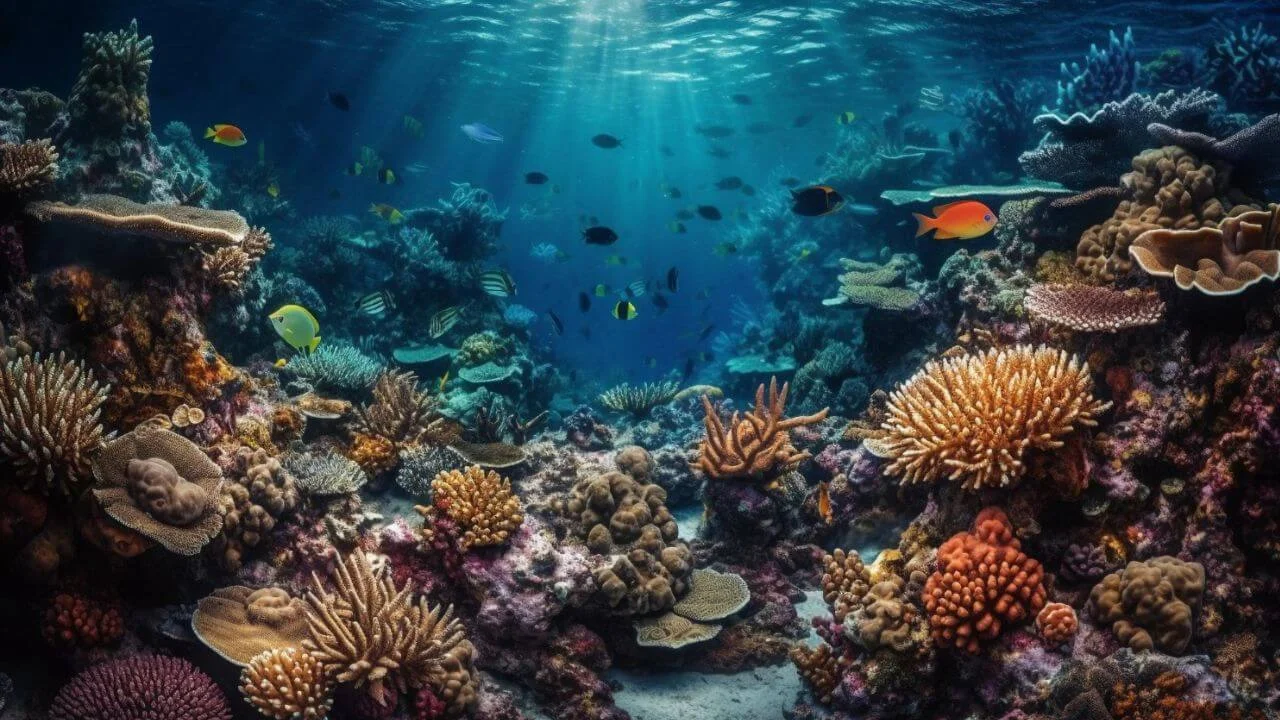
Coral reefs are often called the “rainforests of the sea.” They are home to thousands of marine species, but their importance goes far beyond just providing habitat. For islands, coral reefs are essential for protection, food, tourism, and local economies. Without them, island communities would face greater risks from storms, erosion, and loss of resources.
Natural Protection Against Waves and Storms
One of the most important roles of coral reefs for islands is coastal protection. Reefs act like natural barriers. They absorb the energy of waves and reduce the impact of storms, hurricanes, and even tsunamis. Without reefs, islands would experience stronger wave force, which could wash away beaches, damage homes, and threaten people’s lives.
Preventing Erosion
Islands depend on coral reefs to keep their shorelines stable. When reefs break the force of waves, they also reduce erosion. This helps maintain sandy beaches, which are not only important for residents but also attract tourists. Without reefs, coastlines would wear away much faster.
Source of Food for Communities
Coral reefs support an incredible variety of marine life, including fish, crabs, lobsters, and mollusks. Many island communities rely on these resources for daily food. In fact, millions of people worldwide depend on reef-related fisheries for protein. Without coral reefs, food security on islands would be at serious risk.
Boosting Tourism and Local Economies
Islands with healthy coral reefs often see thriving tourism industries. Tourists travel from around the world to snorkel, dive, and enjoy the beauty of colorful reefs. This generates jobs and income for local businesses such as hotels, restaurants, and tour operators. Losing coral reefs would mean losing one of the biggest attractions that islands offer.
Supporting Biodiversity
Coral reefs host nearly a quarter of all marine species, even though they cover less than 1% of the ocean floor. For islands, this biodiversity is essential because it keeps ecosystems balanced and resilient. Healthy reefs mean healthier fisheries, cleaner water, and stronger ecosystems that support island life.
Building Materials and Medicine
In some places, coral reefs have historically provided building materials such as limestone. More importantly, modern science has discovered that reef organisms are sources of new medicines, including treatments for cancer, infections, and other diseases. Protecting reefs ensures these potential resources remain available for the future.
Conclusion
Coral reefs are far more than just beautiful underwater landscapes. For islands, they are lifelines that provide natural protection from storms, prevent erosion, supply food, support tourism, and preserve biodiversity. The loss of coral reefs would directly threaten the survival and prosperity of island communities. Protecting reefs today means protecting the future of islands and the millions of people who depend on them.